
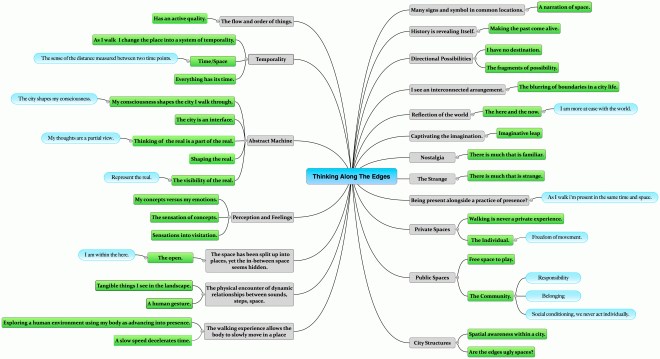
Thinking Along The Edges
I imagine the city connects infinite layers of networks to defy.
Shaping the superficial modern metropolis by placing social fabric onto stitched architectural frames.

“I operate as a man-machine interface.”[1]
The cyborg self within me emerges along the cities edges,
I hack the surface of space configurations.
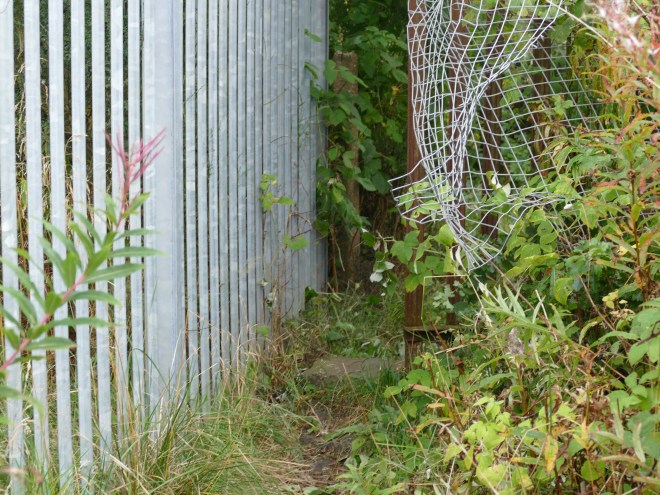
I am the seeking stranger of urban life who needs to disobey restriction;
feeling disconnected in a rebellious reunion of public and private outlines.
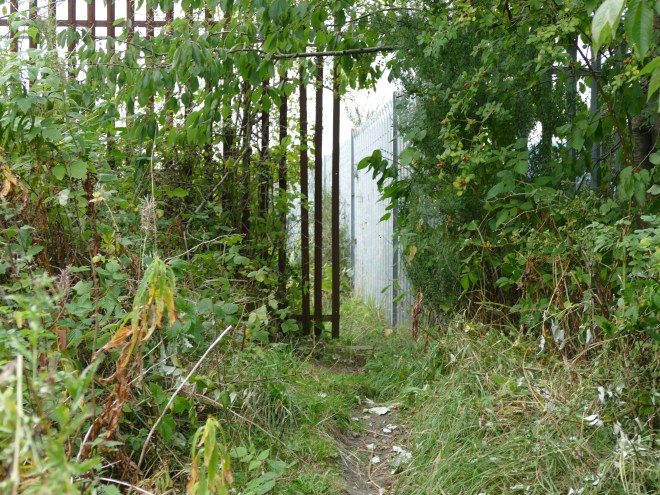
I wander off the ordered path and find a more uncertain line of direction.
copyright © Olsen 2016
[1] “I operate as a man-machine interface – that is, as a technological form of natural life – because I must necessarily navigate through technological forms of social life. As technological nature, I must navigate through technological culture. And technological culture is constitutively culture at a distance. Forms of life become forms of life at-a-distance. Because my forms of social life are so normally and chronically at-a-distance, I cannot navigate these distances, I cannot achieve sociality apart from my machine interface” Lash, S (2002). Critique of Information. London: Sage Publications. P15.
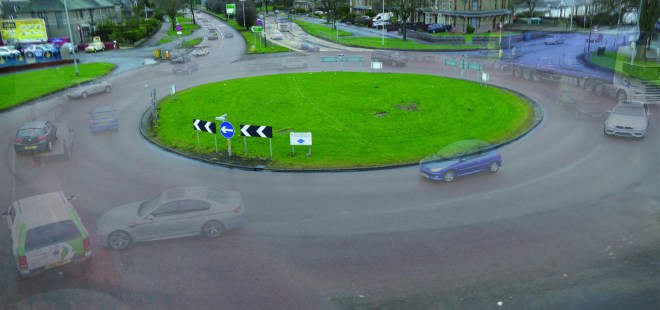 as everyone’s drive would materialize !
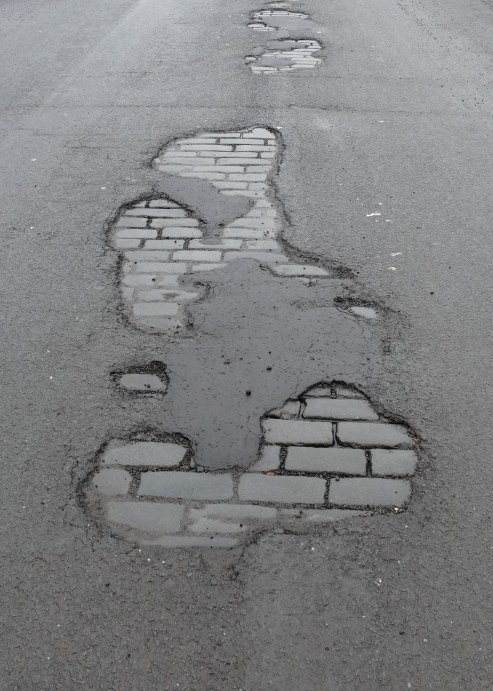
copyright © Olsen 2016
Through the body and mind, a place can be recognised.[1] Yet I noticed how distant the street is depending on my focus, using Mains Road, Dundee as an example of place. I would like us to consider a quote from my favorite philosopher, Heidegger and the image above:-
Heidegger would identified the street as ‘equipment’, a thing that is encountered in our environment, the place I use when I walk. I understand how its usefulness becomes remote and unnoticeable to myself as I walk, by thinking about my journey on Mains Road. The phycical street shifts between earth and world depending on my awareness of it. I am more likely to notice a passing car or pedestrian than the street I walk on, it only becomes available in my awareness by a disruptive influence of the uneven surface seen above.
[1] Casey, E. S. (2013) The Fate of Place: A Philosophical History. United States: University of California Press p244.
[2] Heidegger, M (1996). Being in Time (Trans Stambaugh, J). 3rd ed. New York: New York Press. P99.
 THE ARTFUL DONDER